

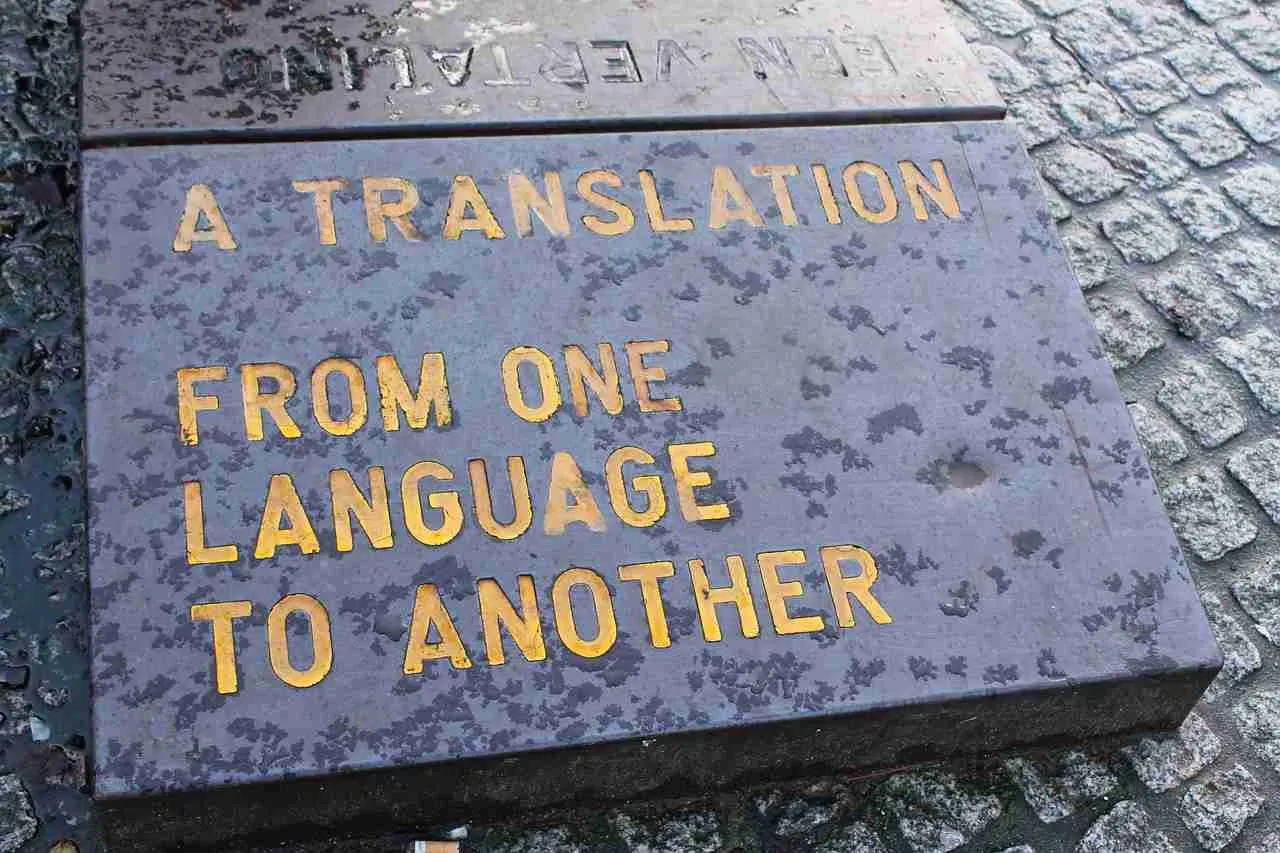
When a business operates internationally, translation becomes part of the customer experience. Websites, contracts, product information, technical documents, marketing campaigns and internal communications all need to convey the right meaning in the right language.
A poor translation is not simply an awkward sentence or an embarrassing typo. Depending on the content, it can create confusion, damage trust, reduce sales or even introduce legal and safety risks.
Here are some of the main ways translation errors can affect a business.
Misunderstandings and Miscommunication
One of the most immediate consequences of poor translation is misunderstanding.
If information is incomplete, ambiguous or translated incorrectly, customers, employees or business partners may interpret it differently from what was intended.
This can be especially problematic when the content includes specialist terminology, instructions, specifications or contractual information.
A small linguistic error may appear harmless in isolation, but if it changes the meaning of an important sentence, the consequences can be much more significant.
Damage to Your Brand and Reputation
Language plays an important role in how a brand is perceived.
A website, brochure or email containing unnatural wording, grammatical errors or inconsistent terminology can make an otherwise professional organisation appear careless or unreliable.
For international customers, translated content may be their first interaction with your business. If that content feels poorly adapted or difficult to understand, it can reduce confidence in the company behind it.
Translation is therefore not only about linguistic accuracy. Tone, style and cultural expectations also influence how a message is received.
Lost Sales and Missed Opportunities
Poor translation can also affect commercial performance.
If potential customers do not clearly understand a product, service, price, guarantee or call to action, they may simply decide not to continue.
Problems can occur throughout the customer journey:
- Product descriptions may be unclear or misleading
- Website navigation may become confusing
- Marketing messages may lose their impact
- Calls to action may sound unnatural
- Important purchasing information may be misunderstood
Even when the translation is technically understandable, awkward or unnatural language can make customers less confident about buying from an unfamiliar international brand.
Legal and Compliance Risks
Legal and regulatory content requires a particularly high level of accuracy.
Contracts, terms and conditions, policies, compliance documents and official communications often depend on precise terminology. A mistranslated clause or ambiguous expression can create uncertainty about obligations, responsibilities or rights.
Not every translation error will lead to a legal dispute, but inaccurate legal content can create unnecessary risk, delays and additional costs.
This is why important legal documents should be handled by translators with the appropriate subject-matter expertise and reviewed carefully before use.
Technical and Safety Problems
Translation quality can become even more important when instructions affect how a product, machine or system is used.
Technical manuals, safety information, installation instructions and product documentation need to communicate clearly and consistently.
An incorrect measurement, warning, instruction or technical term can result in misuse, confusion or operational problems.
For this type of content, translation quality is not simply a matter of style. Accuracy can directly affect how safely and effectively information is understood.
Inconsistent Terminology
Consistency is another important aspect of professional translation.
If the same product, feature or technical concept is described using several different terms, users may assume that they refer to different things.
This problem becomes particularly noticeable in large websites, technical documentation, software interfaces and projects involving several translators or languages.
Terminology management, glossaries and professional review help maintain consistency across all of a company’s multilingual content.
The Hidden Cost of Correcting Poor Translation
A low-quality translation can initially appear to save money, but correcting problems later may cost considerably more.
A business may need to:
- Retranslate the original content
- Correct printed materials
- Update websites or software
- Answer customer complaints or questions
- Repeat internal review and approval processes
- Delay a product launch or international campaign
There is also the cost of the time spent identifying and correcting problems that could have been avoided with the right quality process from the beginning.
How Can Businesses Reduce Translation Risks?
The level of quality control should always reflect the importance and intended use of the content.
For professional or high-value material, several steps can help reduce the risk of translation errors:
- Work with translators who understand the subject matter
- Provide clear source content and relevant context
- Use approved terminology and glossaries where appropriate
- Have important translations independently reviewed
- Check the final document after formatting or integration
- Choose the right translation workflow for the content and level of risk
Quality translation is not only about finding the right words. It requires context, specialist knowledge, consistency and an appropriate review process.
When Translation Quality Becomes a Business Issue
For low-risk internal content, a minor translation imperfection may have little impact. But as the visibility, technical complexity or importance of a document increases, so does the potential cost of getting it wrong.
Customer-facing content, legal documents, technical information and strategic communications therefore deserve a level of translation quality that reflects their importance to the business.
If your organisation communicates across several languages, find out more about our professional translation services.
Good Translation Protects More Than Words
Translation plays a direct role in how international customers, partners and employees understand a business.
Poor translation can create confusion, weaken trust and introduce unnecessary commercial, legal or operational risks. Professional translation, supported by appropriate quality control, helps ensure that the intended message reaches its audience clearly and accurately.
When a business invests in translation quality, it is also investing in its reputation, customer relationships and international growth.